
Showing posts with label STAYING HEALTHY. Show all posts
Showing posts with label STAYING HEALTHY. Show all posts
Wednesday, 2 November 2016
Staying active with joint pain...

Thursday, 20 October 2016
Hidden nutrition facts of Pure Raw Honey
It’s been discovered that people consume more of refined sugar, plus an addition of high fructose syrup. However, the rate of consumption of this refined sugar supersedes the rate of honey consumption.
According to my new research, if the intake of refined sugar can be switched with pure raw honey, the health benefits can be enormous. Let us not mistake a raw honey for a processed honey.
A raw honey is a pure, unfiltered and natural sweetener made by bees from the nectar of flowers. A processed honey has been and filtered and this type is mostly consumed since it was also gathered from the hive. One fact we aren’t aware of is that in the process of heating and filtering honey, its’ incredible nutritional value and health powers are lost. Pure raw honey enhance strength, resolves sleep problems and seasonal allergies. The raw pure honey has become one of my favorite natural sweeteners! Here are a few hidden health benefits of the pure raw honey that you may not be aware of.
According to my new research, if the intake of refined sugar can be switched with pure raw honey, the health benefits can be enormous. Let us not mistake a raw honey for a processed honey.
A raw honey is a pure, unfiltered and natural sweetener made by bees from the nectar of flowers. A processed honey has been and filtered and this type is mostly consumed since it was also gathered from the hive. One fact we aren’t aware of is that in the process of heating and filtering honey, its’ incredible nutritional value and health powers are lost. Pure raw honey enhance strength, resolves sleep problems and seasonal allergies. The raw pure honey has become one of my favorite natural sweeteners! Here are a few hidden health benefits of the pure raw honey that you may not be aware of.
Food before supplements
Today's Health Tip

Food before supplements
Eat healthy foods instead of turning to a multivitamin. Recent studies have shown that the benefits of multivitamins are negligible. If you choose to take a multivitamin "for insurance," don't go overboard. Too much of vitamin A, vitamin E, and others can be harmful.DANGERS OF SELF MEDICATION
DANGERS OF SELF MEDICATION
The next time you consider self medication, I think you should
ponder on these things. Does it really worth it? Putting your own health at
risk? Oh yes! You put your own health at risk each time you go on self medication.
I know it’s very easy to walk into a drug store to purchase an OTC drug (Over-the
counter drug), probably because you’ve been doing that and it’s never had any
effect on you . But do you know you may be doing yourself more harm than good. The
effect may not be immediate but I tell you this act may pose serious health
damage in the long run. Some drugs don’t go together, that is why you need the
help of a doctor or pharmacist when making drug selection.
Drugs are substances
Wednesday, 19 October 2016
Living with lactose intolerance
Living with lactose intolerance
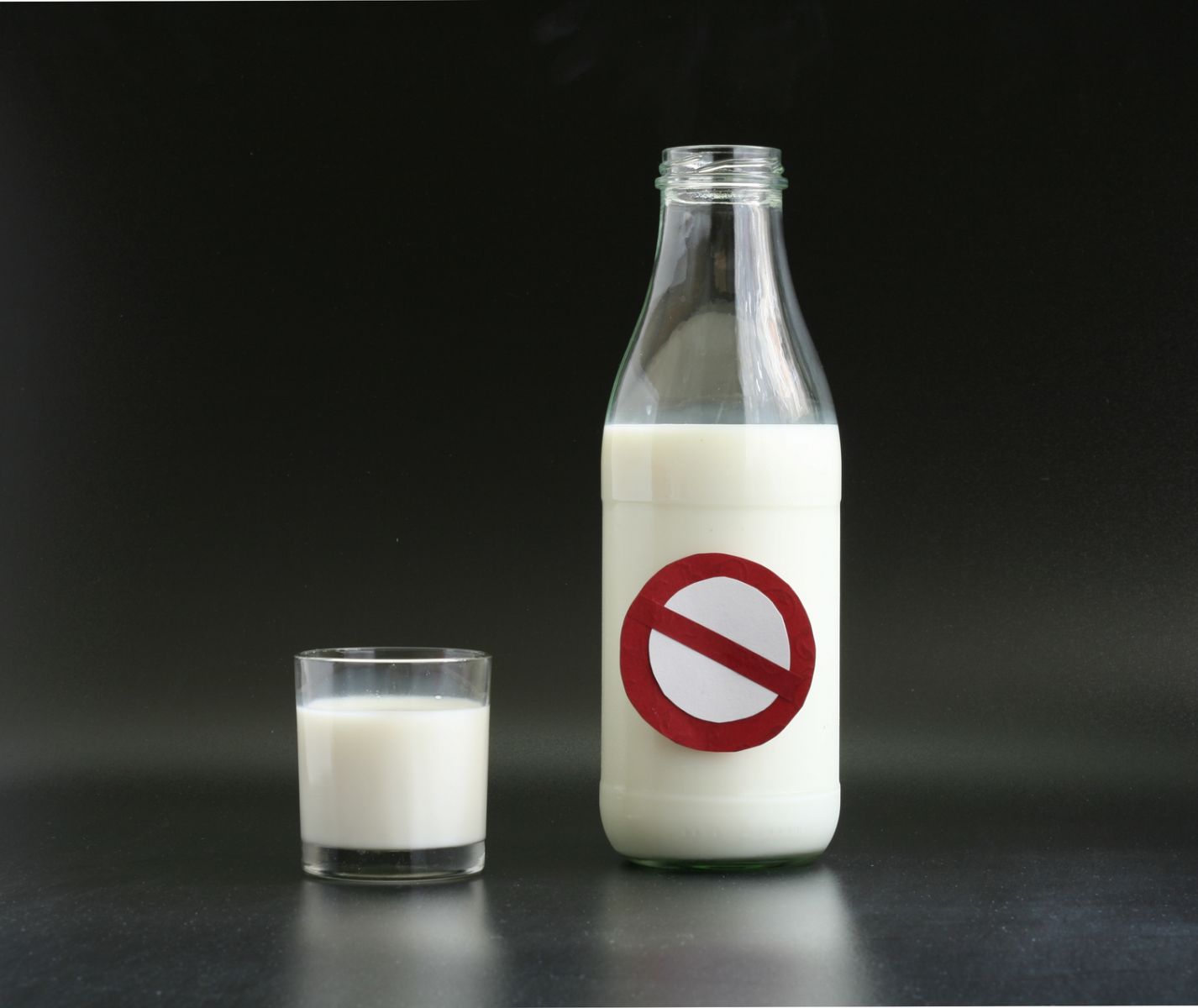
Food intolerance and food allergies often produce similar symptoms, but they're not the same. If dairy products leave you feeling gassy and bloated or cause diarrhea or nausea, you may have either condition.
What's the difference? A dairy allergy is an immune system response to milk protein. In addition to feeling bloated or causing diarrhea, symptoms of a dairy allergy can include hives, wheezing, vomiting, cramps, and skin rashes. Dairy intolerance results from inadequate levels of lactase, the enzyme that breaks down milk sugar. While lactose intolerance can cause a lot of discomfort, it isn't life threatening, while a milk allergy can be.
The severity of lactose intolerance varies. For some people, consuming any dairy product causes their digestive tracts to rebel. Others can enjoy yogurt, ice cream, or even an occasional glass of milk.
The most successful approach to coping with lactose intolerance is to first avoid all dairy products. If you are lactose intolerant and love milk in all its forms, try experimenting with small amounts of dairy. In general, yogurt, cheese, and sour cream may be easier to tolerate because they contain less lactose than milk. However, several studies suggest that many people who are lactose intolerant can consume the equivalent of eight ounces of milk with no ill effects, and somewhat more when the lactose-containing food is part of a meal.
Supplements containing enzymes produced by lactose-digesting bacteria (Lactaid, Lactrase, others) can be taken as tablets or added to foods. Some milk products (Lactaid, Dairy Ease) to which lactase has been added may contain little or no lactose, and they may taste sweeter than untreated products, because the milk sugar has already been broken down. Probiotics (supplements of beneficial bacteria that normally inhabit the intestines) containing Lactobacillus reuteri may reduce symptoms, but not quite as well as enzyme supplements.
The response to these products is highly individual. What works for your will depend on the amount of lactase your body produces, the type of intestinal bacteria that inhabit your colon, and the product itself. Finding the right approach for you can be a trial-and-error process. While this may take some time and expense, experimenting isn't likely to be harmful.
Tuesday, 18 October 2016
7 ways to calm your upset stomach
7 ways to calm your upset stomach
 |
Maybe you've just eaten, or finished a meal an hour or so ago — and
now your stomach just doesn't "feel right." You feel bloated and
uncomfortable. Or maybe it's more of a burning sensation. Maybe you feel
queasy, or even throw up. You might say you have an "upset stomach" or
indigestion. If there is no known medical cause for your symptoms, your
doctor would call it "dyspepsia" or "bad digestion."
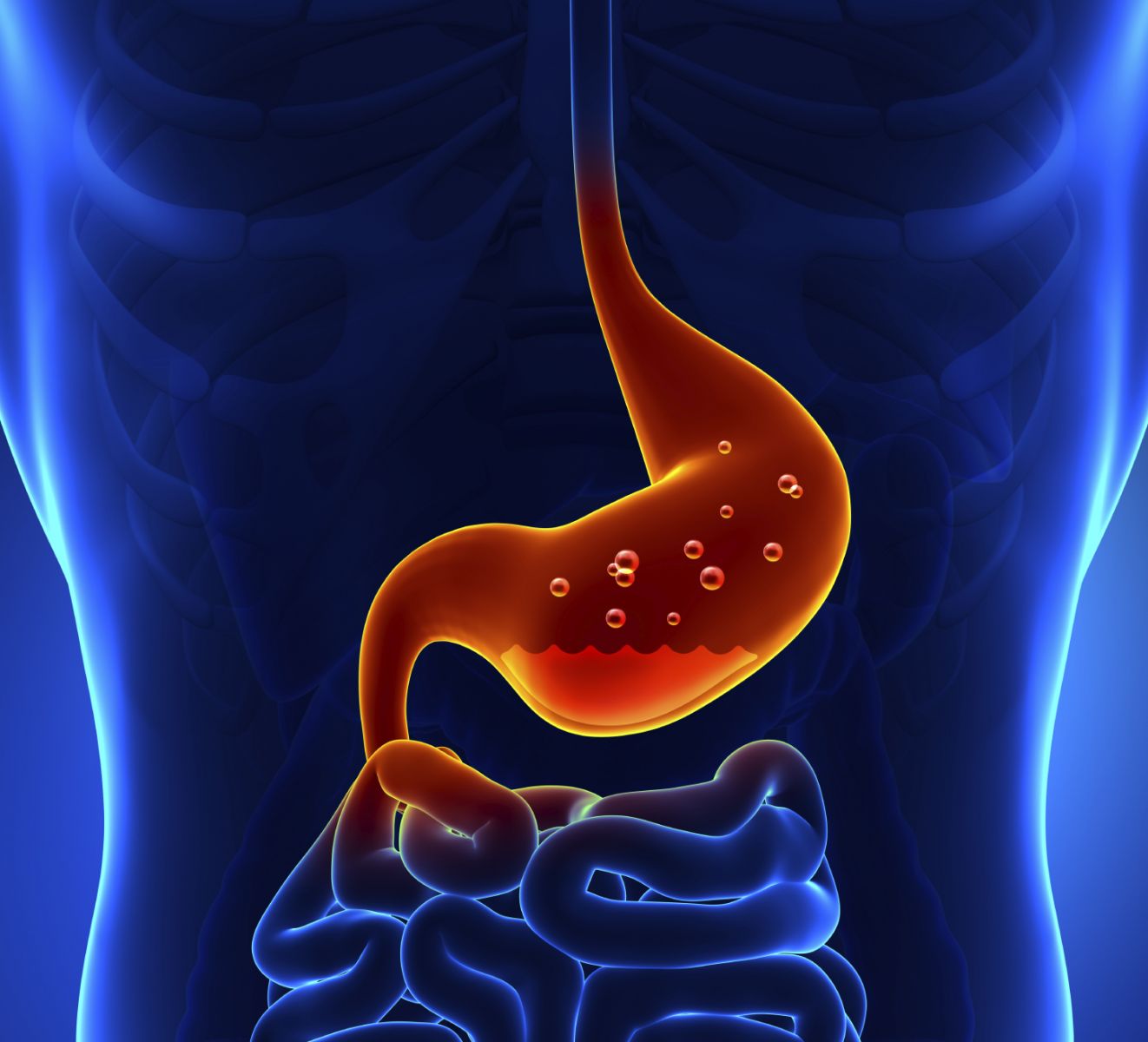
Indigestion is real. The medical term for persistent upper abdominal pain or discomfort without an identifiable medical cause is functional dyspepsia. The symptoms can come and go at any time, but often eating is the trigger. Sometimes the discomfort begins during the meal; other times, about half an hour later.
If you suffer from functional dyspepsia, you're not alone. Roughly 25% of the population is affected, and it hits men and women equally. It's responsible for a significant percentage of visits to primary care doctors, in part because many people worry they might have an ulcer. While it's frustrating that the cause of functional dyspepsia is unknown, it's even more frustrating that there is no surefire cure.
The good news is that there are simple things you can try to help get some relief:
Indigestion is real. The medical term for persistent upper abdominal pain or discomfort without an identifiable medical cause is functional dyspepsia. The symptoms can come and go at any time, but often eating is the trigger. Sometimes the discomfort begins during the meal; other times, about half an hour later.
If you suffer from functional dyspepsia, you're not alone. Roughly 25% of the population is affected, and it hits men and women equally. It's responsible for a significant percentage of visits to primary care doctors, in part because many people worry they might have an ulcer. While it's frustrating that the cause of functional dyspepsia is unknown, it's even more frustrating that there is no surefire cure.
The good news is that there are simple things you can try to help get some relief:
- Avoid foods that trigger your symptoms.
Today's Health Tip
Today's Health Tip
Tally up your sugar intake
Too many sweets can harm your heart, even if you aren't overweight. The American Heart Association recommends getting less than 100 calories a day (about 6 teaspoons) of sugar for women, and less than 150 for men. To satisfy your sweet tooth, focus on natural foods like fresh fruit, which provide fiber, vitamins, and nutrients.Tuesday, 11 October 2016
A combination of ceftriaxone and lansoprazole could be dangerous for your heart--NEW RESEARCH
Recent research uncovers dangerous drug interactions

Wednesday, 5 October 2016
YOUR LIVER AND YOUR HEALTH
YOUR LIVER AND YOUR HEALTH

Liver health and your overall health
go hand in hand with each other. The state of your liver has a huge influence
upon how well you live, look and feel. If you liver is not healthy you will not
be either.
The liver is the largest organ
inside the body and it filters over one litre (32oz) of blood per minute. The
liver has more than 200 functions and plays a role in nearly all body functions
such as digestion and conversion of nutrients, eliminating waste, producing
bile for fat digestion, energy and nutrient storage, controlling cholesterol
levels, monitoring natural hormonal balance, producing immune factors to fight
infections, detoxifies the blood by filtering toxins such as alcohol,
medications, pesticides, environmental chemicals, dead cells, cigarette smoke,
air pollutants and natural waste from digestion and respiration.
Its no doubt that people die each
year from chronic liver diseases, cirrhosis & cancer of the liver gall
bladder and bile ducts. An interesting Japanese study showed eating vegetables
provided a protective effect against liver cancer
Liver dysfunction, which is
different than liver disease, is when the liver has not yet sustained permanent
or sufficient damage to cause major impairment of its normal functions. This
can include mild to moderate fatty liver. A dysfunctional liver is working at a
reduced capacity, and is overloaded, fatty, toxic or sluggish. This will have a
significant negative influence on health.
Tuesday, 4 October 2016
5 simple ways to lower your cortisol levels without drugs
Cortisol: Why “The Stress Hormone” Is Public Enemy No. 1
5 simple ways to lower your cortisol levels without drugs
The sress hormone, cortisol, is public health enemy number one. Scientists have known for years that elevated cortisol levels: interfere with learning and memory, lower immune function and bone density, increase weight gain, blood pressure, cholesterol, heart disease... The list goes on and on.
Chronic stress and elevated cortisol levels also increase risk for depression mental illness, and lower life expectancy. This week, two separate studies were published in Science linking elevated cortisol levels as a potential trigger for mental illness and decreased resilience—especially in adolescence
Cortisol is released in response to fear or stress by the adrenal glands as part of the fight-or-flight mechanism. The fight-or-flight mechanism is part of the general adaptation syndrome defined in 1936 by Canadian biochemist Hans Selye of McGill University in Montreal. He pubished his revolutionary findings in a simple seventy-four line article in Nature in which he defined two types of "stress": eustress (good stress) and distress (bad stress).
Both eustress and distress release cortisol as part of the general adaption syndrome. Once the alarm to release cortisol has sounded, your body becomes mobilized and ready for action—but there has to be a physical release of fight or flight. Otherwise, cortisol levels build up in the blood which wreaks havoc on your mind and body.
Eustress creates a "seize-the-day" heightened state of arousal, which is invigorating and often linked with a tangible goal. Cortisol returns to normal upon completion of the task. Distress, or free floating anxiety, doesn't provide an outlet for the cortisol and causes the fight-or-flight mechanism to backfire. Ironically, our own biology—which was designed to insure our survival as hunters and gatherers—is sabotaging our bodies and minds in a sedentary digital age. What can we do to defuse this time-bomb?
Luckily, you can make 5 simple lifestyle choices that will reduce stress, anxiety and lower your cortisol levels. Below are 5 tips for reducing your cortisol levels everyday:
1. Regular Physical Activity: Kick boxing, sparring, or a punching bag are terrific ways to recreate the “fight” response by letting out aggression (without hurting anyone) and to reduce cortisol.
Any aerobic activity, like walking, jogging, swimming, biking, riding the elliptical... are great ways to recreate the ‘flight’ outlet and burn-up cortisol. A little bit of cardio goes a long way. Just 20-30 minutes of activity most days of the week pays huge dividends by lowering cortisol every day and in the long-run.
Fear increases cortisol. Regular physical activity will decrease fear by increasing your self-confidence, resilience, and fortitude—which will reduce cortisol. Yoga will have similar benefits with added benefits of mindfulness training.
If your schedule is too hectic to squeeze in a continuous session of aerobic activity, you can reap the same benefits by breaking daily activity into smaller doses. An easy way to guarantee regular activity is to build inadvertant activity into your daily routine. Try things such as riding a bike to work, walking to the store, taking the stairs instead of the escalator... These all add up to a cumulative tally of reduced cortisol at the end of the day.
2. Meditation: Any type of meditation will reduce anxiety and lower cortisol levels. Simply taking a few deep breaths engages the Vagus nerve which triggers a signal within your nervous system to slow heart rate, lower blood pressure and decreases cortisol. The next time you feel yourself in a stressful situation that activates your ‘Fight-or-Flight’ response take 10 deep breaths and feel your entire body relax and decompress.
article continues after advertisement
Setting aside 10-15 minutes to practice mindfulness or meditation
will fortify a sense of calm throughout your nervous system, mind, and brain.3. Social Connectivity: Two studies published this week in the journal Science illustrate that social agression and isolation lead to increased levels of cortisol in mice that trigger a cascade of potential mental health problems—especially in adolescence.
Researchers at Johns Hopkins established that elevated levels of cortisol in adolescence change the expression of numerous genes linked to mental illness in some people. They found that these changes in young adulthood—which is a critical time for brain development—could cause severe mental illness in those predisposed for it. These findings, reported in the January 2013 journal Science, could have wide-reaching implications in both the prevention and treatment of schizophrenia, severe depression and other mental illnesses.
Akira Sawa, M.D., Ph.D., a professor of psychiatry and behavioral sciences at the Johns Hopkins University School of Medicine, and his team set out to simulate social isolation associated with the difficult years of adolescence in human teens. They found that isolating mice known to have a genetic predisposition for mental illness during their adolescence triggered ‘abnormal behaviors’ that continued even when returned to the group. They found that the effects of adolescent isolation lasted into the equivalent of mouse adulthood.
"We have discovered a mechanism for how environmental factors, such as stress hormones, can affect the brain's physiology and bring about mental illness," says Sawa, the study leader. "We've shown in mice that stress in adolescence can affect the expression of a gene that codes for a key neurotransmitter related to mental function and psychatric illness. While many genes are believed to be involved in the development of mental illness, my gut feeling is environmental factors are critically important to the process."
article continues after advertisement
To shed light on how and why some mice got better, Sawa and his team studied the link between cortisol and the release of dopamine.
Sawa says the new study suggests that we need to think about better
preventative care for teenagers who have mental illness in their
families, including efforts to protect them from social stressors, such
as neglect. Meanwhile, by understanding
the cascade of events that occurs when cortisol levels are elevated,
researchers may be able to develop new compounds to target
tough-to-treat psychiatric disorders with fewer side effects.In another study, published on January 18, 2013 in the journal Science researchers from France revealed that mice who were subjected to aggression, by specific mice bred to be ‘bullies’ released cortisol which triggered a response that led to social aversion to all other mice. The exact cascade of neurobiological changes was complex but also involved dopamine. The researchers found that if they blocked the cortisol receptors that the ‘bullied’ mice became more resilient and no longer avoided their fellow creatures.
Close knit human bonds—whether it be family or friend —are vital for your physical and mental health at any age. Recent studies have shown that the Vagus nerve also responds to human connectivity and physical touch to relax your parasympathetic nervous system.
The “tend-and-befriend” response is the exact opposite to “fight-or-flight”. The "tend-and-befriend" response increases oxytocin and reduces cortisol. Make an effort to spend real face-to-face time with loved ones whenever you can, but phone calls and even Facebook can reduce cortisol if they foster a feeling of genuine connectivity.
4. Laughter and Levity: Having fun and laughing reduces cortisol levels. Dr. William Fry is an American psychiatrist who has been studying the benefits of laughter for the past 30 years and has found links to laughter and lowered levels of stress hormones. Many studies have shown the benefits of having a sense of humor, laughter and levity. Try to find ways in your daily life to laugh and joke as much as possible and you'll lower cortisol levels.
5. Music: Listening to Music that you love, and fits whatever mood you're in, has been shown to lower cortisol levels. We all know the power of music to improve mood and reduce stress. Add reducing your cortisol levels as another reason to keep the music playing as a soundtrack of health and happiness in your life.
Conquering your salt habit--HEALTHBEAT
Conquering your salt habit
Your need salt — sodium chloride — to survive. Your body needs sodium to transmit nerve impulses, contract muscle fibers, and, along with potassium, to balance fluid levels in all your cells.The body is so good at holding on to this vital mineral that you need to consume only a tiny amount of it each day. Too much sodium sets off a cascade of physiological changes that can raise blood pressure. Over time, uncontrolled high blood pressure can stress the heart and blood vessels, which can lead to stroke or heart attack.
Simple ways to control sodium
These are science-based strategies for cutting back on salt — without compromising the flavor of the foods you enjoy. Here are some tips.
- Fill half your plate with fruits and vegetables. Our bodies need more potassium than sodium. But most Americans' diets are just the opposite, which can contribute to high blood pressure. Fruits and vegetables are naturally low in sodium, and many fruits and vegetables are good sources of potassium. Filling your plate with them will boost your potassium and shift the sodium-potassium balance in your favor.
- Embrace healthy fats and oils. Unfortunately, the big low-fat and no-fat product push in the 1990s wasn't rooted in sound science. Many well-meaning product developers cut both the good and bad fats out of formulations, and in order to maintain consumer acceptance of their products, they were forced to increase levels of sugar and sodium. So skip most fat- free salad dressings and other similar products, and you'll be doing your blood pressure a favor.
- Stealth health. The average person can't detect moderate changes in sodium levels, including reductions of up to as much as 25%. Many food manufacturers and restaurant companies have already made or are in the process of making substantial cuts in sodium — some all at once and some over time — that their customers will not be able to detect.
- Retrain your taste buds. We can shift our sense of taste to enjoy foods with lower levels of sodium. One key to success: make the changes gradually and consistently over a period of time, rather than trying to cut back by a large amount all at once. Try this trick: combine a reduced-sodium version of a favorite product (like vegetable soup, for example) with a regular version in proportions that gradually favor the reduced-sodium version.
- Watch out for hidden sodium. "Fresh" and "natural" meats and poultry may be injected with salt solutions as part of their processing, and manufacturers are not required to list the sodium content on the label. Some foods that are high in sodium may not taste especially salty, such as breakfast cereals, bakery muffins, energy drinks, and sports drinks. We would appreciate your comments,please send us a feedback.
Today's Health Tip
Today's Health Tip

Create a meditation spot
Meditation relieves anxiety, pain, and depression by reducing the amount of the stress hormone cortisol in your bloodstream. Add meditation into your day by setting aside a time and place devoted to deep breathing and focus. Meditating a few minutes a day for a week or two can improve mood and stress levels.Monday, 3 October 2016
ZIKA VIRUS ALERT..
CDC: Pregnant Women Should Avoid Southeast Asia Due to Zika
Zika continues to extend its reach around the globe, with U.S. health officials now urging women to delay travel to 11 countries in Southeast Asia where the virus is circulating.
Reports are also describing the first two cases of Zika-linked microcephaly in Thailand.
Since the Zika outbreak began last year, thousands of babies, mostly in Brazil, have been born with the devastating brain defect after their mothers were infected with the mosquito-borne virus during pregnancy.
French scientists also reported a disturbing discovery on Thursday: The virus was found inside the sperm of a man who had just returned from French Guyana, and not just in his semen. It is not clear if infected sperm can transmit Zika, the researchers noted, but the finding has important implications for the prevention of sexual transmission of Zika.
It also raises questions about the need to include Zika screening in the testing of sperm donations in fertility centers, the researchers said. Most sexually transmitted disease stick to the surface of sperm, and can be washed off during fertility procedures, they explained.
Meanwhile, the U.S. Centers for Disease Control and Prevention on Friday released new recommendations on how long men with either Zika infection or exposure should abstain from trying to conceive, lengthening the waiting period from eight weeks to six months.
CDC officials did offer up a bit of good news: Children and teens who are infected with Zika typically suffer only mild illness, as most adults do.
Both reports were published in the Sept. 30 issue of the CDC's Morbidity and Mortality Weekly Report.
In the French report on Zika infecting sperm, scientists from INSERM (the French equivalent of the U.S. National Institutes of Health) and Toulouse University took blood, urine and semen samples from a 32-year-old man who was showing signs of Zika infection.
The investigators found evidence of the virus in all of the samples for roughly a month after infection. But the virus persisted in the semen for a little over four months. When they examined semen samples under a microscope, they found Zika was present in 3.5 percent of the man's sperm.
Similar results were seen in two other patients, with the virus persisting in all samples for a little over two months and in semen samples for a little under four months, the study authors reported.
The findings were published online Sept. 29 in The Lancet Infectious Diseases.
In the CDC travel advisory, the 11 Southeast Asian countries involved were Brunei, Cambodia, East Timor, Indonesia, Laos, Malaysia, the Maldives, Myanmar, the Philippines, Thailand and Vietnam.
Health Tip
Health Tip
Strengthen your core muscles
Your "core" muscles are the ones in your back, sides, pelvis, and buttocks. Strengthening them improves balance and power and cuts down on belly fat. Doing basic movements like sit-ups, crunches, leg lifts, squats, and lunges can reduce your risk of a bad fall and will help you in your other exercises, like running or swimming.Thursday, 29 September 2016
Component of red wine, grapes can help to reduce inflammation--HEALTH RESEARCH FINDS
Component of red wine, grapes can help to reduce inflammation

Grapes
Resveratrol belongs to a group of compounds called polyphenols that are thought to act like antioxidants and protect the body against damage. It has long been considered a therapeutic agent for various diseases, including inflammatory diseases. In the study, resveratrol was effective against inflammation caused by nontypeable Haemophilus influenzae (NTHi), a major respiratory pathogen.
An appropriate amount of inflammation in the body is beneficial for defense against bacterial infection, but uncontrolled inflammation leads to inflammatory diseases. Upper respiratory tract inflammatory diseases such as asthma and COPD affect more than half a billion people worldwide and are characterized by chronic inflammation that is aggravated by respiratory pathogens such as NTHi. Asthma results in 250,000 deaths annually and is the leading cause of hospitalizations in children younger than 15 in the United States. COPD is the third leading cause of death in the U.S., and the World Health Organization predicts it will be the fifth most significant contributor to worldwide disease by 2020. Otitis media is the most common bacterial infection and also the leading cause of conductive hearing loss in children.
Antibiotics are routinely used to treat NTHi infections, but the increasing numbers of antibiotic-resistant bacterial strains and the limited success of currently available pharmaceuticals used to manage the symptoms of these diseases present an urgent need for the development of non-antibiotic therapeutics.
This study found for the first time that resveratrol decreases NTHi-induced expression of pro-inflammatory mediators in airway epithelial cells and in the lungs of mice by enhancing MyD88 short, a negative regulator of inflammatory signaling pathways. MyD88 short is considered a "brake pedal protein" because it can tightly control inflammation induced by this respiratory pathogen. It could be a critical target with significant therapeutic potential for suppressing inflammation associated with chronic airway disease.
The researchers also found that resveratrol has anti-inflammatory effects after NTHi infection, which demonstrates its therapeutic potential.
"The findings help us to shed light on developing new therapeutic strategies by targeting or pharmacologically upregulating MyD88 short production," Li said. "We could use resveratrol to suppress inflammation or develop resveratrol derivatives that could be pharmacological agents to suppress inflammation using the same strategy."
HEALTH INFORMATION..
7 things you can do to prevent a stroke

Regardless
of your age or family history, a stroke doesn't have to be inevitable. Here are
some ways to protect yourself starting today.
Age makes us more susceptible to
having a stroke, as does having a mother, father, or other close relative who
has had a stroke.
You can't reverse the years or
change your family history, but there are many other stroke risk factors that
you can control—provided that you're aware of them. "Knowledge is
power," says Dr. Natalia Rost, associate professor of neurology at Harvard
Medical School and associate director of the Acute Stroke Service at
Massachusetts General Hospital. "If you know that a particular risk factor
is sabotaging your health and predisposing you to a higher risk of stroke, you
can take steps to alleviate the effects of that risk."
Here are seven ways to start reining
in your risks today, before a stroke has the chance to strike.
1.
Lower blood pressure
High blood pressure is a huge
factor, doubling or even quadrupling your stroke risk if it is not controlled.
"High blood pressure is the biggest contributor to the risk of stroke in
both men and women," Dr. Rost says. "Monitoring blood pressure and,
if it is elevated, treating it, is probably the biggest difference women can
make to their vascular health."
Your ideal goal: Maintain a blood pressure of less than 120/80. But for
some, a less aggressive goal (such as 140/90) may be more appropriate.
How to achieve it:
- Reduce the salt in your diet to no more than 1,500 milligrams a day (about a half teaspoon).
- Avoid high-cholesterol foods, such as burgers, cheese, and ice cream.
- Eat 4 to 5 cups of fruits and vegetables every day, one serving of fish two to three times a week, and several daily servings of whole grains and low-fat dairy.
- Get more exercise — at least 30 minutes of activity a day, and more, if possible.
- Quit smoking, if you smoke.
If needed, take blood pressure
medicines.
2.
Lose weight
Obesity, as well as the
complications linked to it (including high blood pressure and diabetes), raises
your odds of having a stroke. If you're overweight, losing as little as 10
pounds can have a real impact on your stroke risk.
Your goal: Keep your body mass index (BMI) at 25 or less.
How to achieve it:
- Try to eat no more than 1,500 to 2,000 calories a day (depending on your activity level and your current BMI).
- Increase the amount of exercise you do with activities like walking, golfing, or playing tennis, and by making activity part of every single day.
3.
Exercise more
Exercise contributes to losing
weight and lowering blood pressure, but it also stands on its own as an
independent stroke reducer.
Your goal: Exercise at a moderate intensity at least five days a week.
How to achieve it:
- Take a walk around your neighborhood every morning after breakfast.
- Start a fitness club with friends.
- When you exercise, reach the level at which you're breathing hard, but you can still talk.
- Take the stairs instead of an elevator when you can.
- If you don't have 30 consecutive minutes to exercise, break it up into 10- to 15-minute sessions a few times each day.
4.
Drink — in moderation
What you've heard is true. Drinking
can make you less likely to have a stroke — up to a point. "Studies show
that if you have about one drink per day, your risk may be lower," says to
Dr. Rost. "Once you start drinking more than two drinks per day, your risk
goes up very sharply."
Your goal: Drink alcohol in moderation.
How to achieve it:
- Have one glass of alcohol a day.
- Make red wine your first choice, because it contains resveratrol, which is thought to protect the heart and brain.
- Watch your portion sizes. A standard-sized drink is a 5-ounce glass of wine, 12-ounce beer, or 1.5-ounce glass of hard liquor.
5.
Treat atrial fibrillation
Atrial fibrillation is a form of
irregular heartbeat that causes clots to form in the heart. Those clots can
then travel to the brain, producing a stroke. "Atrial fibrillation carries
almost a fivefold risk of stroke, and should be taken seriously," Dr. Rost
says.
Your goal: If you have atrial fibrillation, get it treated.
How to achieve it:
- If you have symptoms such as heart palpitations or shortness of breath, see your doctor for an exam.
- You may need to take blood thinners such as high-dose aspirin or warfarin (Coumadin) to reduce your stroke risk from atrial fibrillation. Your doctors can guide you through this treatment.
6.
Treat diabetes
Having high blood sugar damages
blood vessels over time, making clots more likely to form inside them.
Your goal: Keep your blood sugar under control.
How to achieve it:
- Monitor your blood sugar as directed by your doctor.
- Use diet, exercise, and medicines to keep your blood sugar within the recommended range.
7.
Quit smoking
Smoking accelerates clot formation
in a couple of different ways. It thickens your blood, and it increases the
amount of plaque buildup in the arteries. "Along with a healthy diet and
regular exercise, smoking cessation is one of the most powerful lifestyle
changes that will help you reduce your stroke risk significantly," Dr.
Rost says.
Your goal: Quit smoking.
How to achieve it:
- Ask your doctor for advice on the most appropriate way for you to quit.
- Use quit-smoking aids, such as nicotine pills or patches, counseling, or medicine.
- Don't give up. Most smokers need several tries to quit. See each attempt as bringing you one step closer to successfully beating the habit.
Brief Infection Overview...
Infection
Infection is a process in which
bacteria, viruses, fungi or other organisms enter the body, attach to cells,
and multiply. To do this, they must evade or overcome the body's natural
defenses at each step. Infections have the potential to cause illness, but in
many cases the infected person does not get sick.

How
Does Infection Occur?
Organisms that can cause illness are
all around us: in air, water, soil, and food, as well as in the bodies of
animals and other people. Infection occurs when some of them get past a series
of natural defenses. Those defenses include:
- Skin: The skin physically blocks germs, but may let them in if it is cut or scraped.
- Coughing deeply: This expels germs from the lungs and breathing passages but may be less effective for weak, sick, or injured people.
- Bacteria: Called "resident flora," harmless bacteria normally are present in some parts of the body. They compete with harmful germs and crowd them out. But they can be weakened or killed by medications, allowing harmful germs to thrive and cause illness.
- Inflammatory response: This is produced by the body's immune system. Certain kinds of white blood cells—including macrophages and neutrophils—surround and destroy or otherwise attack any kind of germs, often causing fever, redness, and swelling.
- Antibodies: These are proteins produced by the immune system. Some are targeted to attack specific microbes. This response is also called humoral immunity. Usually these antibodies are produced after a person is infected by or exposed to the microbe.
The immune system's responses may
fail if the germs are too numerous, or if they are too virulent.
"Virulent," from the Latin for "poisonous," describes germs
that are particularly good at countering the body's defenses. For instance,
some microbes can prevent antibodies from forming against them. Another
important factor is the functioning of the immune system. If it is
damaged—weakened, for instance, by age or illness—infection is more likely.
Babies tend to get more infections because their immune systems have not yet
learned to recognize and attack some microbes.
Where
Does Infection Occur?
Localized
infections
Localized infections remain in one
part of the body. Examples include a cut on the hand that gets infected with
bacteria, but does not cause problems anywhere else. Localized infections can
be very serious if they are internal, such as in the appendix (appendicitis) or
in the heart (endocarditis)
Systemic
infections
Most serious infections, however,
occur when the microorganisms spread throughout the body, usually in the
bloodstream. These are called systemic infections, and they include flu,
malaria, AIDS, tuberculosis, plague, and most of the infectious diseases whose
names are familiar.
How
Do Infections Lead to Illness?
The major causes of infection are
viruses, bacteria, fungi, and parasites, including protozoa (one-celled
organisms), worms, and insects such as mites (which cause scabies) and lice.
Bacteria can release toxins, or
poisons. Viruses can take over cells and prevent them from doing their normal
work. Bacteria and fungi—and larger infective agents like worms or other
parasites—can multiply so rapidly that they physically interfere with the
functioning of the lungs, heart, or other organs. The immune response
itself—which can bring fever, pain, swelling, and fatigue—often is the major
cause of the sick feelings an infected person gets.
Do
Infections Always Cause Illness?
No, often they do not. Of people
infected with tuberculosis bacteria, for instance, only about one in ten will
ever get sick. Some viruses and parasites, too, can remain in the body a
lifetime without causing illness. In such cases, called latent infection,
people usually get sick only if the immune system weakens.
How
Do Infections Spread?
The organisms that cause infections
may spread through water, soil, food, or air; through contact with an infected
person's blood, skin, or mucus; through sexual contact; or through insect
bites. Most germs spread by a couple of these routes; no one microbe spreads in
all these ways. In addition, many disease-causing microbes can spread from a
pregnant woman to her fetus. When this happens, we say the baby is born with a
congenital infection.
What
Are the Symptoms of Infection?
The symptoms vary greatly depending
on the part of the body and type of organism involved. The first sign of
bacterial infection is often inflammation: fever, pain, swelling, redness, and
pus. By contrast, viral infections less commonly cause inflammation but may
cause a variety of other symptoms, from a runny nose or sore throat to a rash
or swollen lymph nodes * .
What
Is the Treatment for Infection?
The main treatment is usually
medication: antibiotics for bacterial infections; antiviral drugs for some
viruses (for most there is no treatment); antifungal medications for fungus
infections; and antihelmintic drugs for worms. In some cases of localized
infection, as when an abscess or collection of pus forms, surgery may be
necessary to drain the infected area.
How
Are Infections Prevented?
Disinfecting
wounds
When a wound occurs, infection may
be prevented by washing and covering the wound, using antibacterial ointment or
spray, and getting medical attention if the wound is serious.
Immunization
Many systemic infectious diseases
can be prevented by immunization. Among them are chickenpox, cholera,
diphtheria, hepatitis A and hepatitis B, influenza, Lyme disease, measles,
mumps,pertussis(whooping cough), pneumococcal pneumonia, polio, rabies, rubella
(German measles), tetanus, typhoid fever, and yellow fever.
Hygiene,
sanitation, and public health
Many other systemic infections can
be prevented by having a clean public water supply and a sanitary system for
disposing of human wastes; by washing hands before handling food; by cooking
meats thoroughly; by abstaining from sexual contact; and by controlling or
avoiding ticks and mosquitoes.
* lymph nodes are
round masses of tissue that contain immune cells to filter out harmful
microorganisms. During infections, lymph nodes may become enlarged.
Subscribe to:
Posts (Atom)